
ERP centralizado o Two-Tier. Qué modelo elegir ante adquisiciones, filiales y segregaciones
We analyze when it makes sense to maintain a centralized ERP system and when a two-tier strategy can provide greater agility, autonomy, and integration in the face of acquisitions, new subsidiaries, or spin-offs.


Get to know the requirements of the “Crea y Crece” Law on electronic invoicing
The first stage of implementation of electronic invoicing could begin at the end of 2024 (companies with more than 8 million invoicing) and the second, at the end of 2025, since it has 12 months more margin, although the Administration is considering extending the times for smaller companies and self-employed individuals.

Safety and Health at work with digital solutions
At i3s we have developed LEKUnet, an online tool that can be perfectly integrated into the SAP ecosystem (but also outside it) for those organizations that want to improve occupational risk management and increase the safety of their work teams, especially in complicated or particularly sensitive economic activities.
Advantages of migrating to S/4HANA
At i3s we have developed LEKUnet, an online tool that can be perfectly integrated into the SAP ecosystem (but also outside it) for those organizations that want to improve occupational risk management and increase the safety of their work teams, especially in complicated or particularly sensitive economic activities.
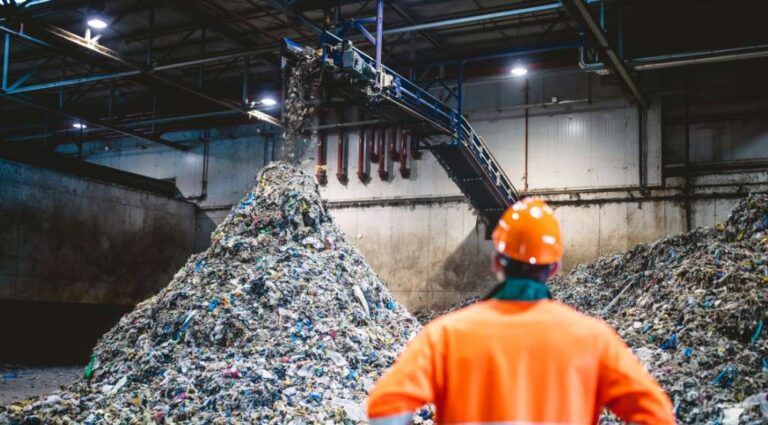
Waste management software
With i3s, we provide your company not only with a waste management software, but also with a sustainable business management strategy through a SAP ecosystem.
What is economic sustainability and its importance for a company?
Economic sustainability is important because it enables the survival of companies through sustainable activities over time, as they do not waste or damage resources or raw materials. In other words, a growth model that respects society and is viable.
Waste management and SAP solutions
Administrations are urging companies to take concrete measures such as drawing up a waste management plan. This should include the stages of waste management addressed by the organization or the protocol for the environmental management of waste.

What is Environment Health and Safety?
Environment Health and Safety ecosystems offer greater control and maneuverability to detect risks and correct processes that are not in line with current protection and prevention objectives.

Circular economy for companies
The circular economy is a production and consumption model based on the use of products and materials already circulating in the market in order to minimize waste and the use of raw materials, water and energy resources.
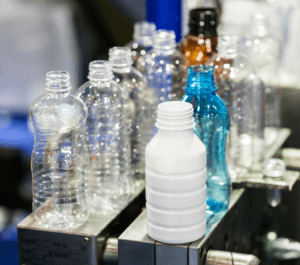
Which sectors are most affected by the new plastic tax?
Impact of the new tax on certain companies since January 1, 2023, and in accordance with Law 7/2022, of April 8, on waste and contaminated soils for a circular economy, it applies to single-use plastic and not from recycled plastic.

How to digitize occupational risk prevention
In Industry 4.0, Occupational Health and Risk Prevention management must be addressed as part of the company’s overall management system. The objective is to receive constant, real-time information to update security protocols.

Social sustainability and corporate responsibility
Business strategies aimed at promoting the social dimension of sustainability have an impact on the development of actions that favor cohesion and the development of people through inclusion and equal opportunities.
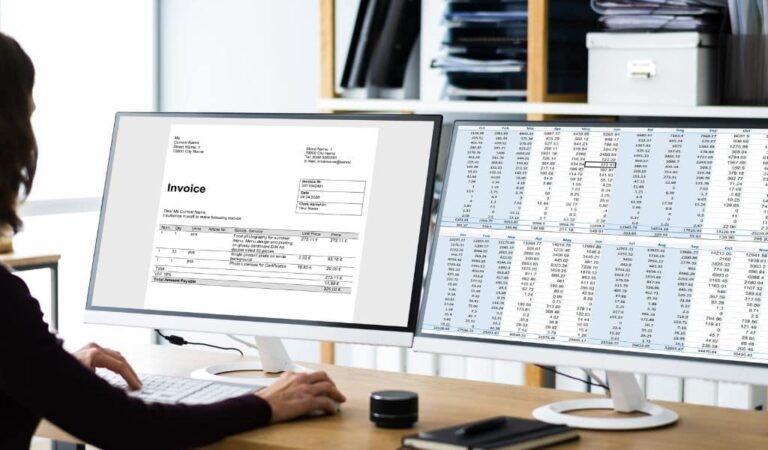
Adaptation of the SAP system to Ticketbai and Batuz
The deadlines for companies to adapt to the electronic invoicing system of the Basque Tax Authorities are being met. In January 2024, the system will be mandatory in the three Basque territories.
What is the corporate sustainability strategy?
Any company’s sustainability strategy involves implementing measures to ensure respect for the natural environment, i.e. that its activity does not have a negative impact on the planet and its inhabitants.

Excise tax on non-reusable plastic containers
Single-use plastic products and fishing gear account for 70 % of marine litter in Europe. Their impact on the environment and human health is high and of concern. The new plastic tax seeks to correct this situation and promote more sustainable production models.
Get to know SAP S/4HANA. The ERP of innovation.
SAP S/4HANA is an easy-to-use, user-friendly platform that accelerates business management. Its high-speed data processing capacity allows competitive decisions to be made in real time, regardless of the difficulty of the procedures or the size of the business.

Plastic Tax. Transition to a Circular Economy
The Plastic Tax reorients production processes towards models aligned with the Circular Economy. The SAP Responsible Design and Production solution, in addition to managing the different existing regulations, always offers more sustainable design alternatives.

How to manage the Plastics Tax with the SAP solution
The SAP Responsible Design and Productión solution enables companies to adapt to EPR regulations and plastic taxes, integrate circularity principles into business processes and optimize design for sustainable business. Learn about the details of the Plastic Tax.

Modern Talent Management in companies supported by technology
Companies are finding it increasingly difficult to recruit the professional profiles they need. That is why it is so important to retain talent and have the necessary tools to ensure their growth and professional development.

2023, the year of Cybersecurity in SAP environments
If your company uses SAP systems, this must be the year of the definitive leap into cybersecurity. Why? Because online crimes have not stopped growing

Sustainability in the strategic agenda of companies
The future of companies undoubtedly lies in adopting strong measures as soon as possible in terms of sustainability and employee welfare, in a context of